Mycelium: What Is It and the Health Benefits
Jordan HierMycelium is capturing interest across science, cuisine, and wellness. This hidden network powers fungi, supports forests, and is now appearing in foods, supplements, and sustainable materials. In this guide, you will learn what mycelium is, how it differs from mushroom fruiting bodies, the nutrients it offers, the potential health benefits, and practical ways to use it. Throughout, we address “mycelium: what is it and the health benefits” so you can confidently navigate products that feature mushrooms and mycelium.
What Is Mycelium?
To define mycelium in simple terms, think of it as the root-like, threadlike body of a fungus, made of microscopic filaments called hyphae. These fine threads branch through soil, wood, or other substrates and form a connected web that absorbs water and nutrients. Functionally, mycelium acts like the digestive and circulatory system of the fungus, secreting enzymes that break down complex organic matter and moving nutrients where they are needed. If you have ever asked “what is mycelium” or “what is a mycelium,” this living network is the answer. When we define mycelial structures further, we note that they are adaptable and persistent across environments.
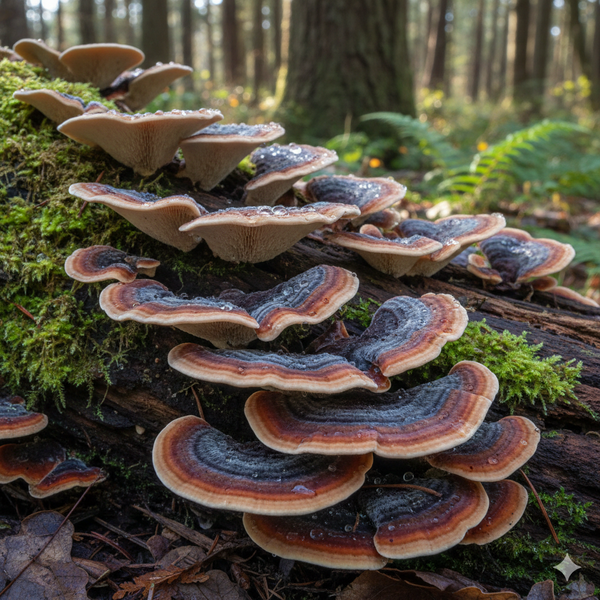
In the life cycle of fungi, mycelium is the primary, long-lived structure. The mushroom seen above ground is a temporary fruiting body that appears when conditions are right to produce and release spores. Mycelium drives decomposition, converts organic matter into usable nutrients, and forms symbiotic partnerships with plants known as mycorrhizae. In these relationships, mycelium helps plants access water and minerals, and in return, plants share carbohydrate-rich compounds from photosynthesis. When we define mycelia and ask “what are mycelia,” we are referring to these networks of hyphae that underpin forest health. Understanding mushrooms and mycelium together helps clarify their complementary roles.
Mycelium and mushroom fruiting bodies differ in structure, composition, and timing. Mycelium is a diffuse, persistent network, while fruiting bodies are the caps and stems that appear seasonally. Both contain bioactive compounds, but their profiles vary by species and how they are grown. Some supplements use mushroom mycelium cultivated on grain, which can include remnants of the growth substrate. Others use extracted or purified mycelium, fruiting bodies, or a combination. Knowing how to read labels helps you select products that fit your goals, especially if you are comparing mushroom mycelium to fruiting body extracts to understand the benefits of mycelium. For clarity, we also define mycelial terminology on labels so you can differentiate parts used.
Nutritional Profile of Mycelium
Mycelium delivers vitamins, minerals, fiber-like polysaccharides, and other bioactive compounds that differ by species and cultivation method. Common nutrients include B vitamins such as niacin and riboflavin, precursors to vitamin D that can convert to vitamin D2 with UV exposure, and minerals like potassium, phosphorus, copper, and selenium. Several species also contain ergothioneine, an antioxidant amino acid linked to cellular protection. These nutrients contribute to the health benefits often cited for mushrooms and mycelium in functional foods and supplements.
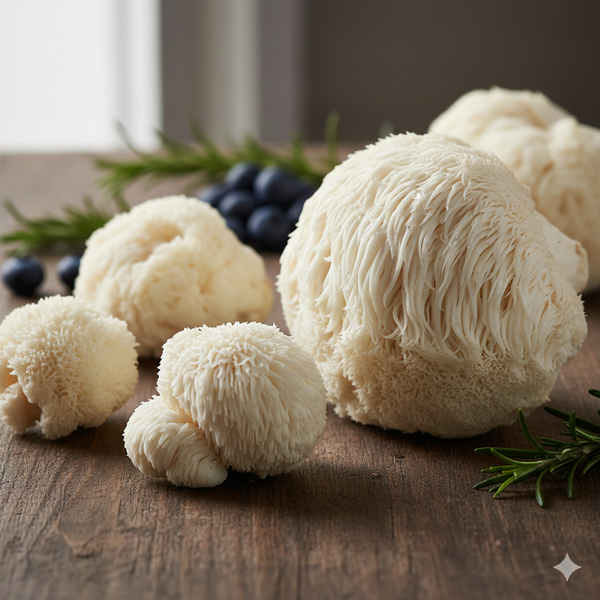
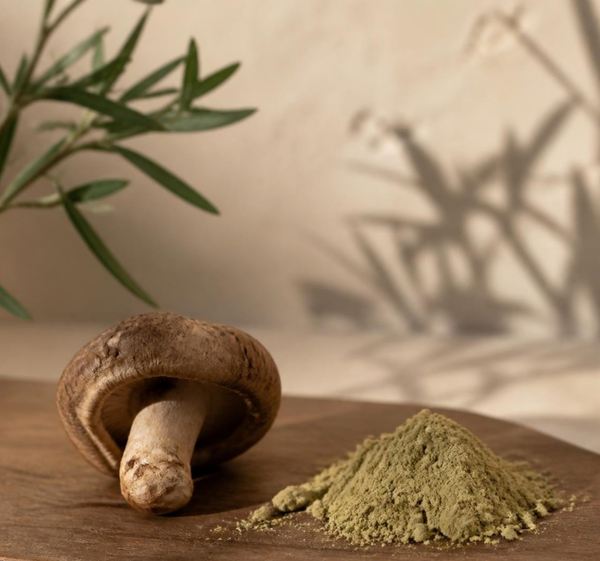
Protein content typically ranges from about 15% to 30% of dry weight, depending on the species. Mycelium provides essential amino acids in varying proportions. While it is not usually a complete protein source per serving, it pairs well with other plant based protein sources. Mycelium also contains beta-glucans and other polysaccharides that act like soluble fiber and support digestive health. As a pantry ingredient, mushroom powder from species like turkey tail, reishi, chaga, lion’s mane, and shiitake can supply these beta-glucans. When fortified with other plant based protein foods, mycelium-based options can serve as a satisfying vegan protein or mushroom protein component in meals.
Compared with common foods, mycelium stands out more for its beta-glucans and antioxidant compounds than for protein density. Legumes often provide higher protein per serving, and greens offer more vitamin K. The strength of mycelium lies in its combination of beta-glucans, ergothioneine, and minerals, as well as its low saturated fat profile. Mycelium-based foods can be nutrient-dense, minimally processed additions to meals, especially when combined with whole grains, beans, nuts, and vegetables. For consumers exploring functional mushrooms, combining mushroom powder with other vegan protein sources can elevate both flavor and nutrition while emphasising the benefits of mycelium.
| Nutrient or Compound | Typical Presence in Mycelium | Notes |
|---|---|---|
| B vitamins (niacin, riboflavin) | Common | Supports energy metabolism and cellular function |
| Vitamin D precursors | Variable | May convert to vitamin D2 with UV exposure |
| Minerals (K, P, Cu, Se) | Common | Contributes electrolytes and antioxidant enzymes |
| Ergothioneine | Species-dependent | Antioxidant amino acid associated with cellular protection |
| Protein | Moderate | About 15%–30% dry weight; complements plant based protein patterns |
| Beta-glucans | Common | Soluble fiber-like polysaccharides linked to immune and gut support |
Health Benefits of Mycelium
Mycelium contains bioactive compounds that may support immune function. Beta-glucans found in many fungal species interact with immune receptors and can help modulate immune responses. Antioxidants like ergothioneine and various phenolics may help reduce oxidative stress associated with cellular aging. While evidence differs by species and preparation, these components are promising for overall wellness and form the foundation for many quoted health benefits of mycelium. If you are curious about “mycelium: what is it and the health benefits,” immune support is a core theme.
Early research suggests that certain mycelium extracts may help maintain a balanced inflammatory response. Specific fungal polysaccharides and secondary metabolites can influence signaling pathways related to inflammation and oxidative stress. Outcomes vary with species, dose, and extraction method, and human clinical evidence is stronger for some well-studied functional mushrooms than for general mycelium blends. Popular species include turkey tail, reishi, chaga, lion’s mane, and shiitake. Extracts from these may come from fruiting bodies or mushroom mycelium, and both can contribute distinct benefits of mycelium and fruiting body compounds.
Mycelium may also benefit gut health. Its beta-glucans and other polysaccharides act as prebiotic fibers that feed beneficial gut bacteria. A more diverse and resilient microbiome is linked to improved digestion, immune function, and metabolic balance. Some people also find that mycelium preparations are easier to digest than whole mushroom fruiting bodies, offering a gentler option to access fungal nutrients and compounds. As part of mushrooms and mycelium products, these prebiotic effects can complement a balanced diet to deliver practical health benefits over time.
- Immune support: Beta-glucans can help modulate immune activity in response to stressors, a key reason the benefits of mycelium are widely discussed.
- Antioxidant activity: Ergothioneine and phenolics may help manage oxidative stress and contribute to long-term health benefits.
- Inflammation balance: Select extracts show potential to support a healthy inflammatory response.
- Gut health: Prebiotic polysaccharides support beneficial microbes and digestive comfort, a shared advantage of mushrooms and mycelium.
Ecological Importance of Mycelium
In soil, mycelium is a master recycler. It secretes enzymes that break down tough components like lignin and cellulose, turning leaf litter and wood into accessible nutrients. This decomposition releases nitrogen, phosphorus, and other elements back into the soil, enriching it for plants and microbes. Mycelial networks also help bind soil particles, improving structure, water retention, and aeration. When we define mycelia in ecological contexts, we highlight these processes that sustain life cycles.
Mycelium underpins biodiversity and ecosystem resilience by connecting plant roots through extensive networks sometimes called the “wood wide web.” Mycorrhizal partnerships enable nutrient and signal exchange that can improve plant tolerance to drought, pests, and disease. As plants and soils grow healthier, they support richer microbial and animal communities, contributing to stable ecosystems. This perspective helps define mycelium beyond nutrition, reminding us that mushrooms and mycelium are keystone players in nature.
In sustainable agriculture, mycelium offers practical tools. Mycorrhizal inoculants can enhance nutrient uptake and reduce reliance on synthetic fertilizers. Fungal composts and fungal-forward soil amendments help build robust soil food webs. Farmers adopting regenerative practices often use fungal inoculation, reduce tillage, and add organic mulches to encourage mycelial growth, improving soil function and productivity over time. These practices ultimately influence the quality of mushroom protein and mycelium-derived foods grown in integrated systems.
Uses of Mycelium in Food and Beyond
Culinary innovators are using mycelium to create new foods. It can be grown into solid, fibrous blocks that cook like cutlets or fillets, soak up marinades, and deliver a satisfying bite. Mycelium-based protein can be seasoned, seared, grilled, or shredded for tacos, stir-fries, sandwiches, and grain bowls. Finely milled mushroom powder made from lion’s mane, shiitake, or reishi can deepen the umami in sauces, soups, and burger blends while adding fiber-like polysaccharides. As a plant based protein option, these products often appeal to those seeking vegan protein that is minimally processed.
In supplements, mycelium is sold as powders, capsules, and liquid extracts. Formulas may include pure mycelium, mycelium on grain (myceliated grain), fruiting body extracts, or blends. Each format captures different compounds. Hot-water extracts tend to concentrate beta-glucans, while alcohol-based tinctures may retain certain terpenes and triterpenes in species known for those constituents. Reading labels for species, part used (mycelium or fruiting body), extraction method, and quantified beta-glucan content helps you assess quality. For example, functional mushrooms such as turkey tail and reishi often highlight beta-glucan percentages, while chaga and shiitake may emphasise polyphenols or other markers. This attention to detail supports informed choices around the benefits of mycelium versus fruiting body extracts.
Beyond food, mycelium is transforming materials. It can be grown into molds to create biodegradable packaging, leather-like textiles, acoustic panels, and lightweight building composites made from agricultural byproducts. These materials can offer reduced carbon footprints and naturally decompose at end of life, providing alternatives to plastics and animal-derived leathers. As demand for sustainable products grows, mushroom mycelium is becoming a versatile platform for circular design.
- Food: Cutlet-style blocks, shredded fillings, umami-rich mushroom powder, and hybrid mushroom protein blends.
- Supplements: Standardized extracts of functional mushrooms, myceliated grain powders, and blended formulas including turkey tail, reishi, chaga, lion’s mane, and shiitake.
- Materials: Packaging, leather alternatives, insulation and acoustic panels, and bio-composites made with mushroom mycelium.
How to Incorporate Mycelium into Your Diet
It is easy to add mycelium to everyday meals. Look for mycelium-based meats or protein blocks and cook them as you would chicken-style cutlets or tofu. Marinate, pan-sear, bake, or grill, then slice into salads and bowls or shred for tacos and wraps. Stir powdered mycelium or mushroom powder into smoothies, oats, soups, and stews to increase beta-glucans and umami. For a quick dressing, whisk mycelium powder with olive oil, lemon, garlic, and herbs, and toss with roasted vegetables. These approaches help translate “mycelium: what is it and the health benefits” into practical kitchen wins.
Supplement serving sizes vary by product and species. Common daily amounts range from roughly 500 mg to 2,000 mg for concentrated extracts, or 1 to 2 teaspoons for whole-powdered products, taken with food. Start with a lower amount and adjust according to tolerance and label directions. Prioritize products that disclose beta-glucan percentages, species names, the part used (mycelium or fruiting body), and extraction methods. If choosing functional mushrooms like turkey tail, reishi, chaga, lion’s mane, or shiitake, decide whether you prefer mushroom mycelium, fruiting body, or a combination to capture different health benefits.
Safety considerations include potential allergies and interactions. If you have a known mushroom allergy, consult a healthcare professional before use. Those on immunosuppressive therapy, anticoagulants, or with autoimmune conditions should speak with a clinician, as bioactive polysaccharides and secondary metabolites can affect immune and metabolic pathways. Choose products tested for heavy metals, pesticides, and microbial contaminants, and avoid mycelium grown on substrates you are allergic to, such as specific grains, if residues may be present. People integrating mushrooms and mycelium into wellness routines should introduce one product at a time to evaluate tolerance.
| Use Case | How to Use | Tips |
|---|---|---|
| Cooking with blocks | Marinate, pan-sear, bake, or grill | Pre-slice to increase surface area for marinades and boost mushroom protein texture |
| Powdered mycelium | Add to smoothies, soups, oats, sauces | Start with 1 tsp; increase based on taste and tolerance |
| Extract capsules | Follow label directions, often 500–2,000 mg/day | Look for quantified beta-glucans and clear species labeling |
| Tinctures | Use as directed under the tongue or in water | Alcohol extracts may capture non-water-soluble compounds from functional mushrooms |
Choosing Quality Mycelium Products
Because composition varies widely, product quality matters. Use this checklist to evaluate foods and supplements while you define mycelial preferences and compare the benefits of mycelium to fruiting body extracts:
- Species and part used: The label should name the species and specify mycelium, fruiting body, or both. This helps define mycelium sources and verify mushrooms and mycelium content.
- Extraction method: Hot water for beta-glucans; dual extraction when targeting both polysaccharides and alcohol-soluble compounds.
- Beta-glucan content: Prefer products that quantify beta-glucans rather than total polysaccharides.
- Substrate disclosure: If grown on grain, check whether residual grain is present and consider your dietary needs.
- Third-party testing: Look for certificates of analysis for heavy metals, pesticides, and microbial contaminants.
- Transparency: Brands should provide sourcing details and batch testing information, especially for popular functional mushrooms like turkey tail, reishi, chaga, lion’s mane, and shiitake.
If you are new to this space and wonder “what is mycelium” in practical terms, start with reputable brands that clearly define mycelia and specify whether they use mushroom mycelium, fruiting bodies, or both. This clarity supports decision-making around plant based protein and vegan protein choices anchored in mushroom protein innovation.
Key Takeaways
- Mycelium is the primary body of fungi, a living network that digests and transports nutrients. If you asked “what is a mycelium,” it is this threadlike system of hyphae; when we define mycelia, we describe these interconnected threads.
- It differs from mushroom fruiting bodies in form and composition, and both can have unique benefits. Understanding mushrooms and mycelium together helps answer “mycelium: what is it and the health benefits.”
- Mycelium contributes B vitamins, minerals, beta-glucans, and antioxidants like ergothioneine, underpinning several health benefits of mycelium.
- Potential benefits include immune support, antioxidant activity, balanced inflammation, and gut health, particularly in functional mushrooms such as turkey tail, reishi, chaga, lion’s mane, and shiitake.
- It plays a crucial ecological role in nutrient cycling and soil health and is used in sustainable materials, where mushroom mycelium offers biodegradable solutions.
- Incorporate it through foods, mushroom powder, and standardized extracts, choosing quality products with clear labels and testing. Pair with other plant based protein foods to build satisfying vegan protein meals and tap into mushroom protein innovations.
Whether you are exploring new ingredients, seeking functional nutrition, or interested in sustainable materials, mycelium offers a versatile and science-backed path to support well-being and the environment. As you define mycelium for your needs and compare the benefits of mycelium across products, focus on species, part used, and verified beta-glucan content to get the most from mushrooms and mycelium.