MycoProtein 101
Why the Future of Protein Might Be Growing on a Log

Fungi are having a moment. They're showing up in meat alternatives, packaging, leather-like materials and, yes, your protein shake. Here's why so many food scientists are paying attention, and where MycoProtein fits.
Fungi aren't plants
It's easy to file mushrooms under vegetables, but fungi are their own kingdom. They don't make food from sunlight the way plants do. Instead, they break down whatever they grow on, from logs and leaves to grains, and turn it into more fungus.
Here's the fun part: fungi are actually more closely related to animals than to plants.
Why food scientists like them
Fungi are good at a few things that matter for food:
- They grow fast. Mycelium, the root-like network of a fungus, can spread through its food source in days.
- They can grow indoors. Many fungi grow in controlled rooms and tanks, all year round.
- They transform what they grow on. That's fermentation, the same process behind bread, cheese, yogurt and miso.
That's why you'll find fungi in everything from tempeh (soybeans bound together by mycelium) to koji, the mold behind soy sauce and miso.
Beyond food
Mycelium is also being grown into packaging, building materials and leather alternatives. The same network that holds a forest floor together can be shaped into useful things.
Where MycoProtein fits
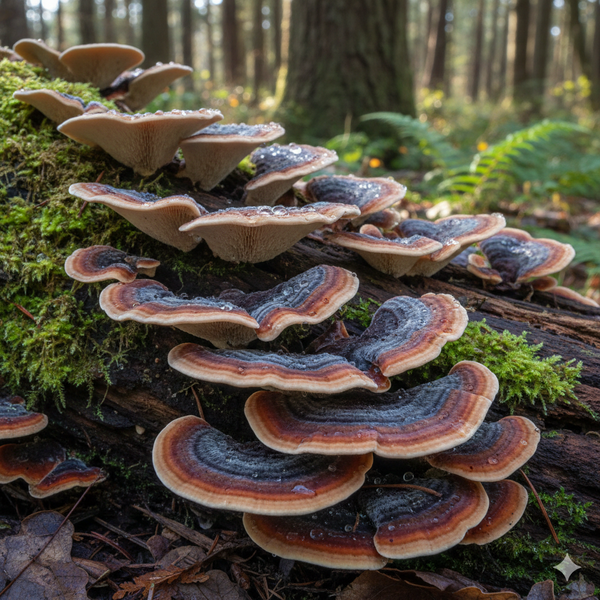
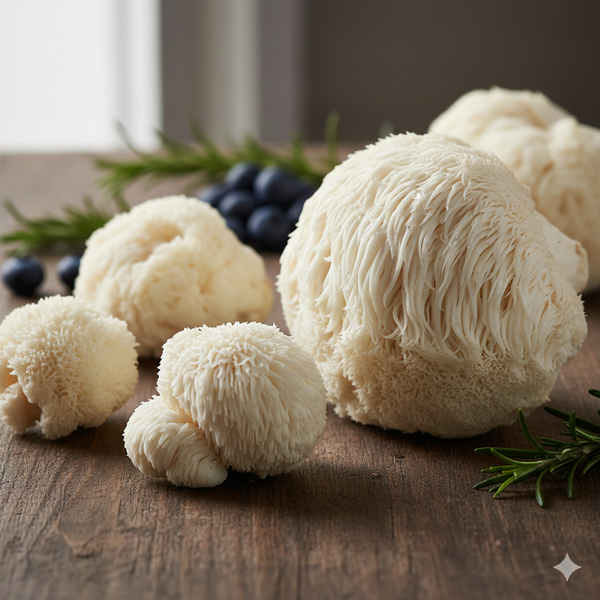
MycoProtein is our take on fungi-powered nutrition. We start with pea and rice protein, let Shiitake mycelium ferment it, then add Lion's Mane, Reishi, Turkey Tail and Chaga. The result is a complete plant protein (PDCAAS 1.0) with 20g of protein per serving in Chocolate and 19g in Vanilla, and five mushrooms in every scoop.
Other brands add mushrooms to protein. We ferment protein with mushrooms.
New to all this? Start with Mushroom 101, or read what MycoProtein means.
*These statements have not been evaluated by the Food and Drug Administration. This product is not intended to diagnose, treat, cure, or prevent any disease.