
Mushroom 101
There's more to mushrooms than what's above ground.
The mushroom you see is only the fruit. Underneath is mycelium, a web of roots that can spread for miles. Here's what each part does, and how five mushrooms end up in your scoop.

Mushrooms, explained
Fruiting body vs. mycelium
Mushrooms have roots. Sort of.
- Mycelium: the rootsA web of fine threads that grows through soil, wood or grain. It's what ferments our pea and rice protein.
- Fruiting body: the mushroomThe cap and stem you'd recognize at a market. It grows up out of the mycelium.
- What's in your scoopShiitake mycelium does the fermenting. Reishi, Lion's Mane and Turkey Tail are fruiting bodies. Chaga is mycelium.
The lineup
Meet the five fungi in your scoop.
Shiitake does the fermenting. Lion's Mane, Reishi, Turkey Tail and Chaga come along for the ride. All 100% USA-sourced.
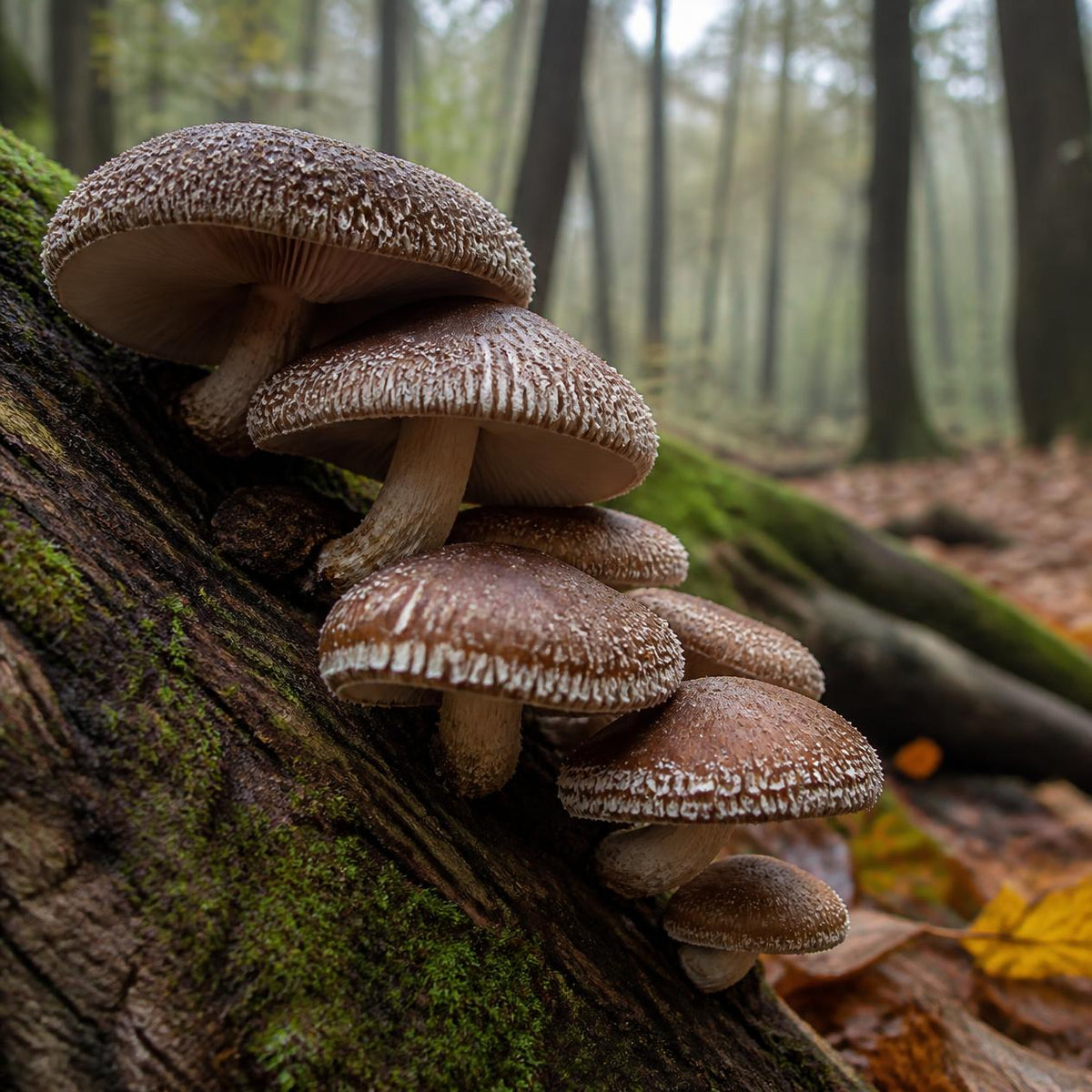
Shiitake
Its roots (mycelium) ferment our pea and rice protein. A kitchen staple in East Asia for over a thousand years.
Known for: immune support*
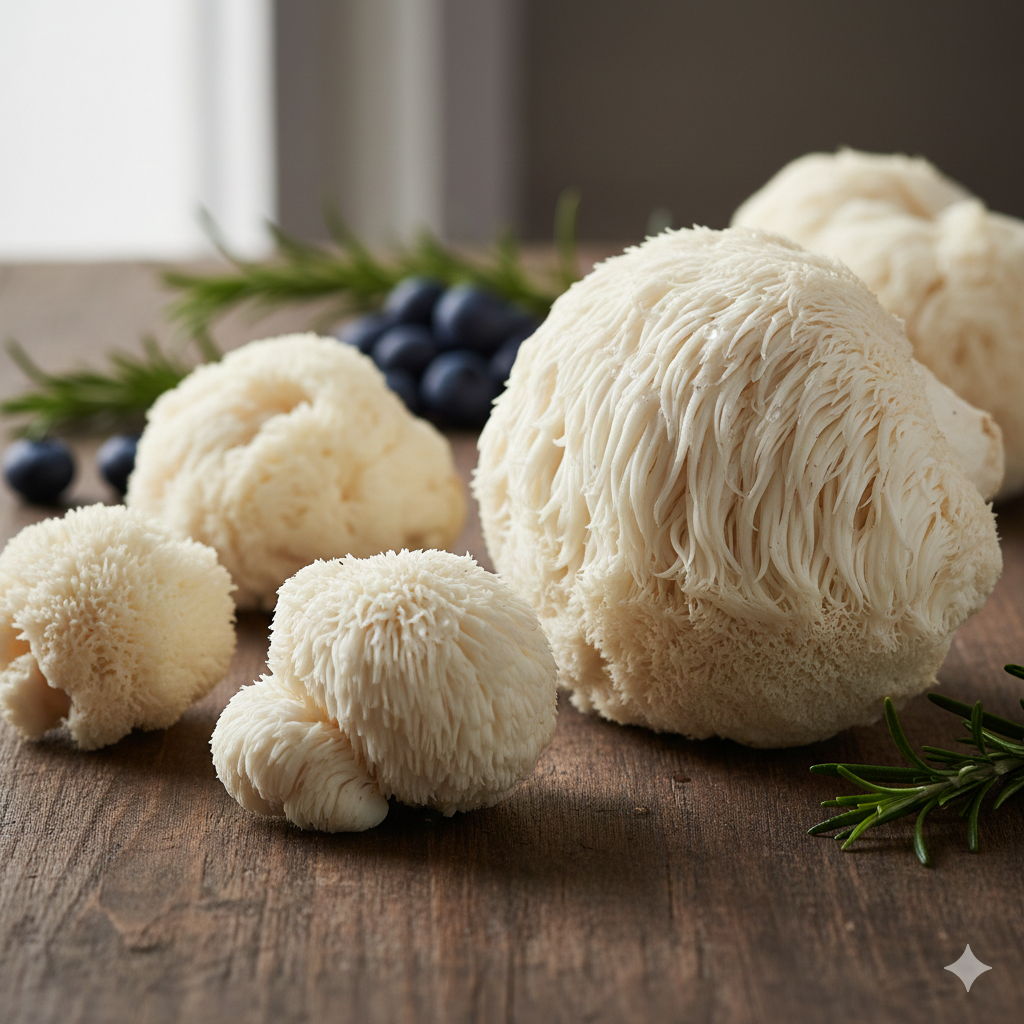
Lion's Mane
Shaggy and white, with a texture cooks compare to crab. Eaten across East Asia for centuries.
Known for: focus support*
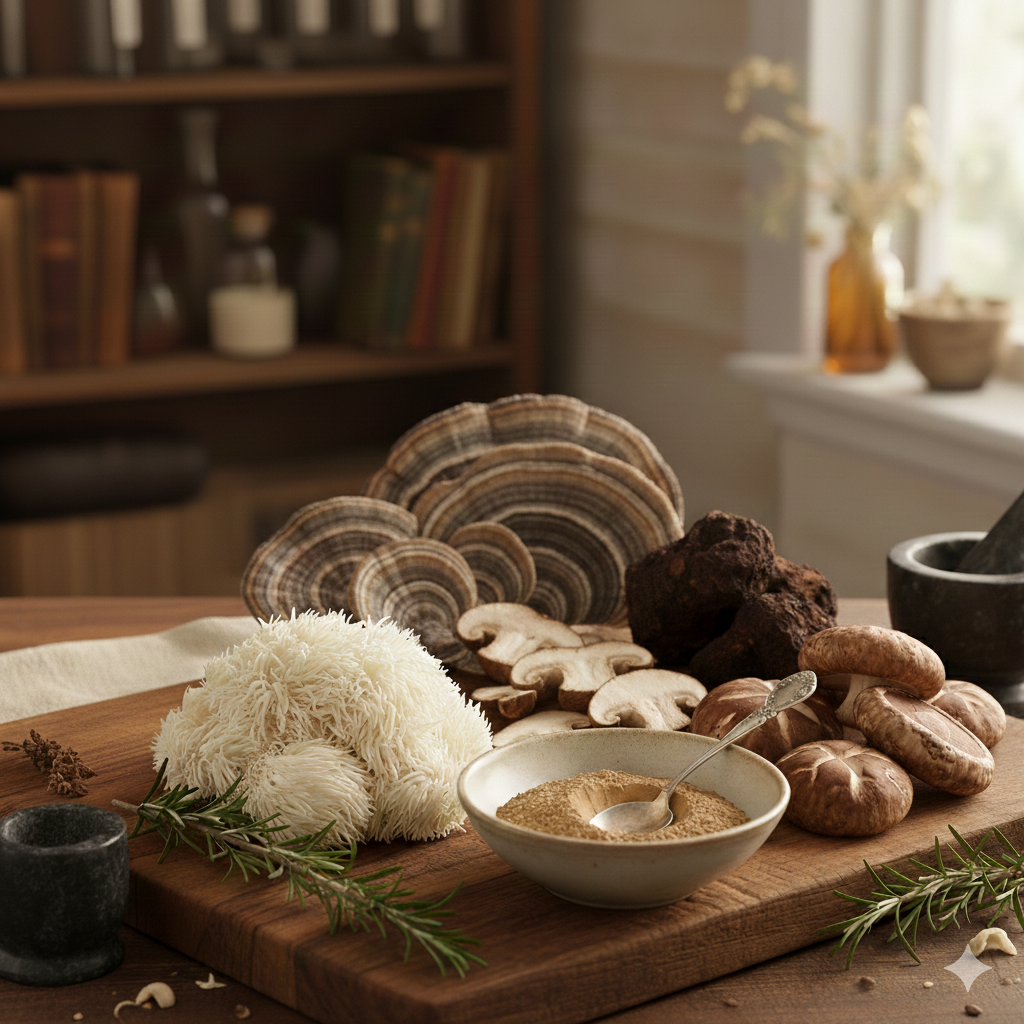
Reishi
A glossy, red-brown shelf mushroom that people have brewed into tea for centuries.
Known for: stress support*
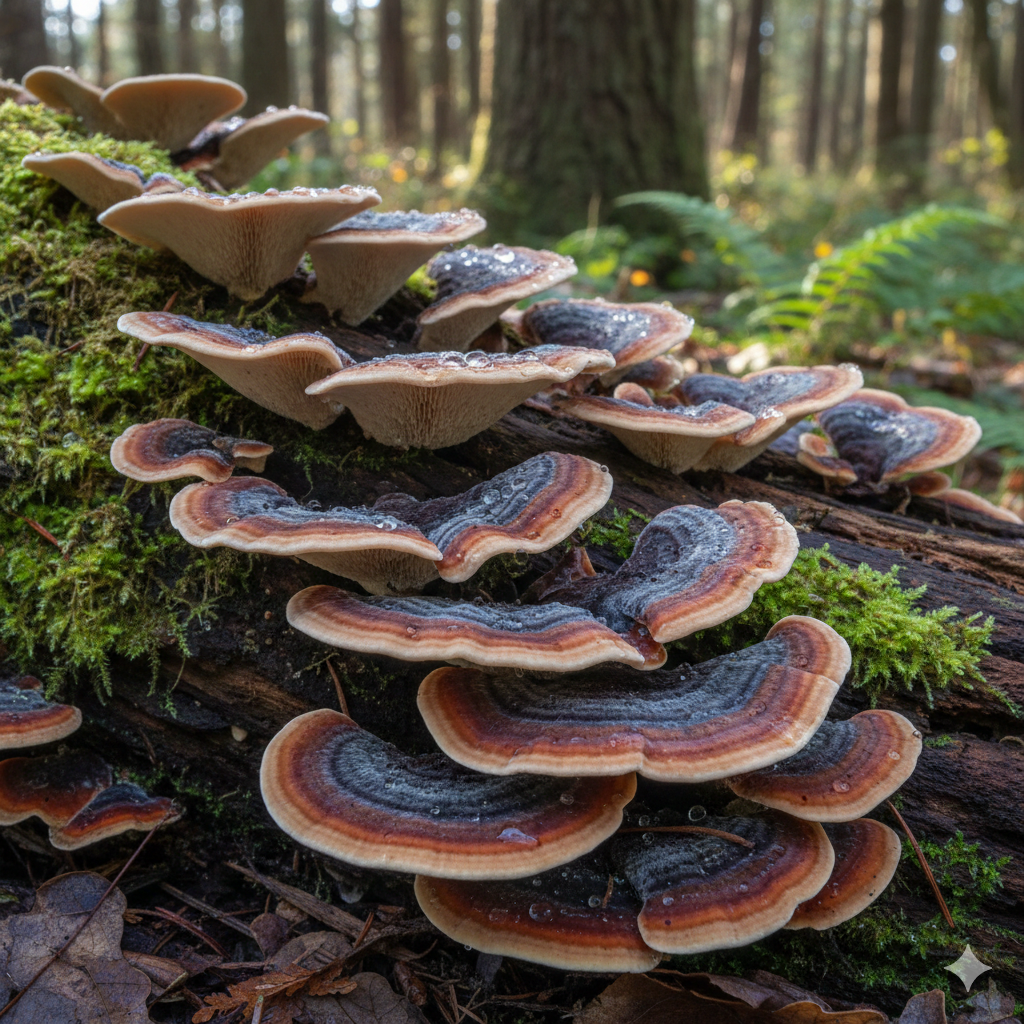
Turkey Tail
Named for its striped, fan-shaped rings. It grows on fallen logs in forests almost everywhere.
Known for: digestive support*
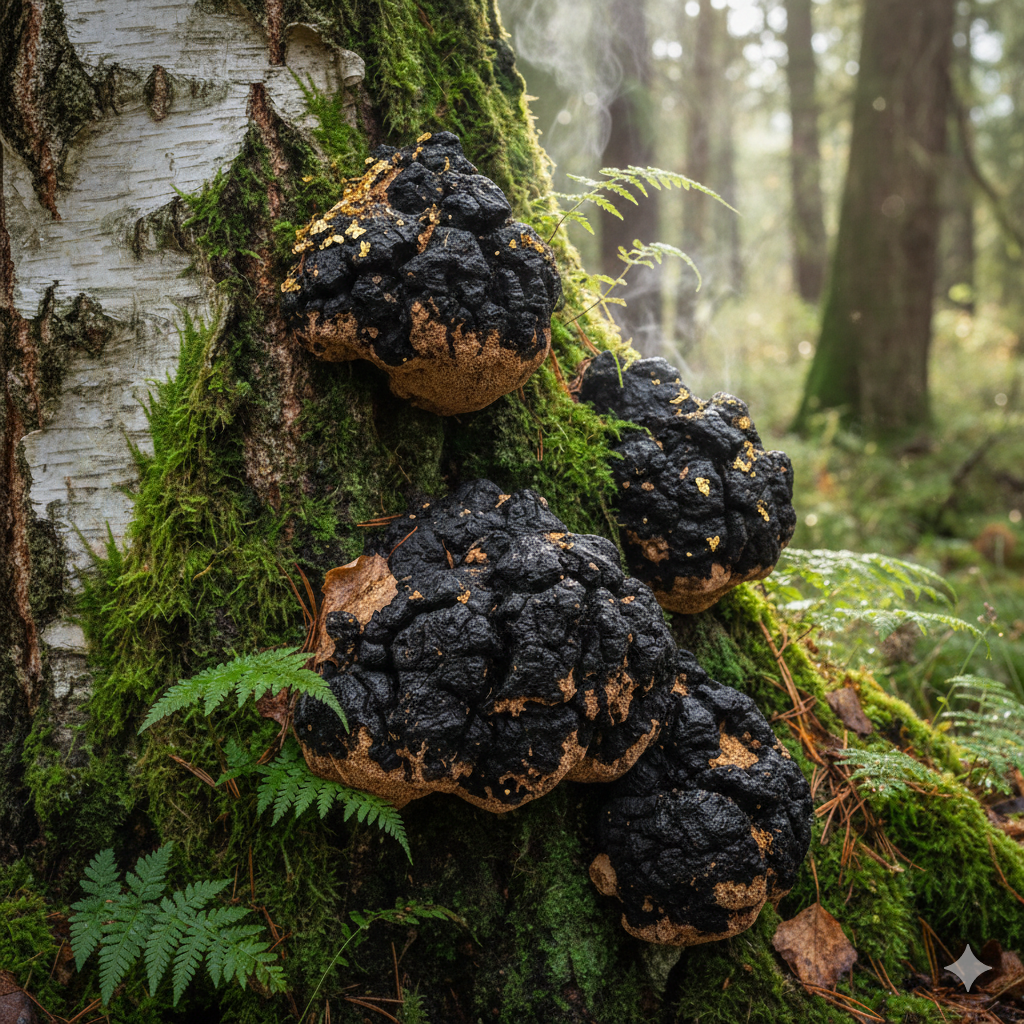
Chaga
A dark, crusty growth found on birch trees in cold northern forests.
Known for: heart health support*
*These statements have not been evaluated by the Food and Drug Administration. This product is not intended to diagnose, treat, cure, or prevent any disease.
Why ferment protein?
Fermentation made bread, cheese and coffee better. Now it's protein's turn.
Like a starter does for sourdough, Shiitake mycelium goes to work on pea and rice protein. The finished MycoProtein is a complete plant protein (PDCAAS 1.0), with four more mushrooms added in.
FAQ
Mushroom questions, answered
Are these the same as "magic" mushrooms?
No. Shiitake, Reishi, Lion's Mane, Turkey Tail and Chaga are not psychoactive. Shiitake is a grocery-store staple, and people have eaten the others or brewed them into tea for centuries.
What's a functional mushroom?
It's a common name for mushrooms people use for more than flavor, like Lion's Mane, Reishi and Chaga. MycoProtein has five of them in every scoop.
What does mycelium-fermented mean?
We let Shiitake mushroom roots (mycelium) ferment pea and rice protein, the way a starter ferments sourdough. That fermented protein is the base of MycoProtein.
Will it taste like mushrooms?
It tastes like chocolate or vanilla. The mushrooms are in there, but they're not the lead flavor.
Where do your mushrooms come from?
All of our mushrooms are 100% USA-sourced.
What does PDCAAS 1.0 mean?
PDCAAS is a score for protein quality, based on a protein's amino acids and how well it's digested. 1.0 is the top of the scale. MycoProtein scores 1.0.